
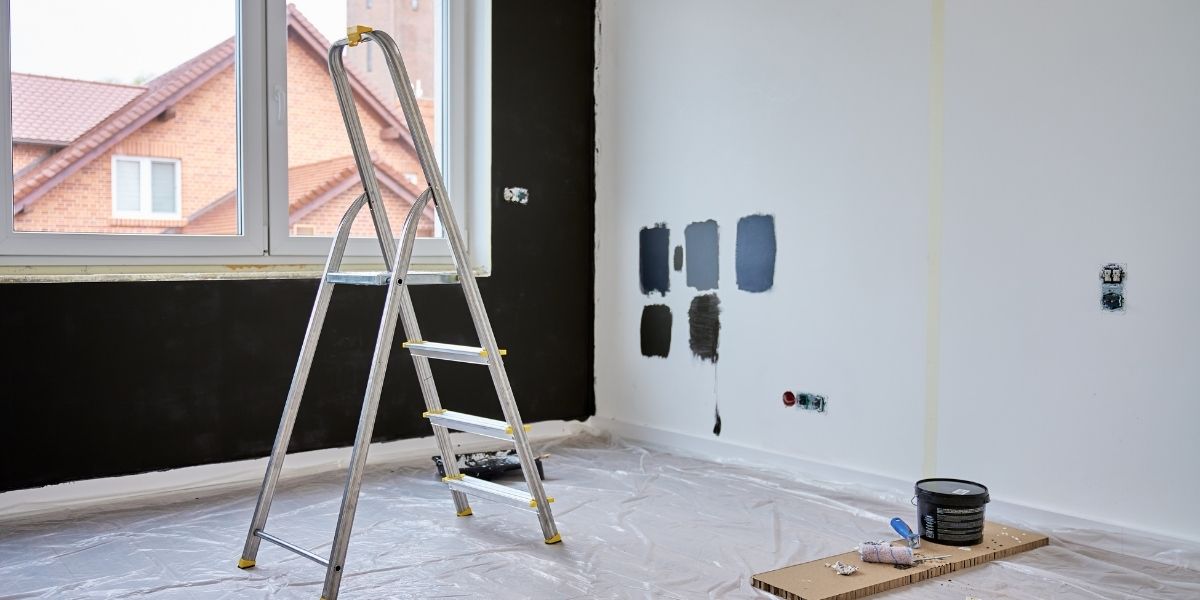
Fresh paint does more than change how a home looks. It protects surfaces, supports indoor air quality, and reflects how well a space is maintained. Many homeowners wonder how often repainting is truly necessary, especially when walls still appear “fine” at first glance. The answer depends on far more than color preference. Daily use, moisture levels, sunlight exposure, and cleaning habits all affect how long paint holds up.
Different rooms age at different speeds. A quiet guest bedroom may look good for years, while a hallway or kitchen can start to show wear much sooner. Paint also acts as a barrier against humidity, grease, and routine contact, so waiting too long can lead to surface damage that costs more to fix later.
Understanding realistic repainting timelines helps homeowners plan ahead, budget wisely, and maintain a comfortable living environment. It also helps prevent unnecessary repainting when walls are still performing their job. Below is a detailed, room-by-room breakdown explaining how often each area of the home typically needs repainting and why those timelines matter.
Living Rooms and Dining Rooms
Living rooms and dining rooms generally require repainting every five to seven years. These spaces see regular use but are not usually exposed to moisture, heavy cooking residue, or frequent contact with hands. Paint wear in these rooms often comes from sunlight, furniture placement, and everyday movement.
South-facing rooms may need attention sooner due to sun exposure, which can cause fading over time. Homes with children or pets may also see marks around seating areas or lower wall sections. High-quality interior paint and proper wall preparation can extend the lifespan, but even well-maintained spaces benefit from repainting to keep colors consistent and surfaces protected.
Kitchens
Kitchens typically need repainting every three to five years. Heat, humidity, grease, and frequent cleaning all take a toll on painted surfaces. Even with good ventilation, airborne cooking residue can slowly break down paint, especially near stoves and sinks.
Using washable, moisture-resistant paint helps, but no coating lasts forever in this environment. If walls start to look dull, uneven, or harder to clean, it is often a sign that the paint’s protective layer has worn down. Repainting keeps surfaces easier to maintain and supports a cleaner-looking cooking space.
Bathrooms
Bathrooms usually require repainting every three to four years due to constant moisture. Steam from showers and baths can cause paint to soften, peel, or discolor if it is not designed for humid conditions.
Bathrooms without proper ventilation may need repainting more often. Mold-resistant paint helps, but it still requires periodic replacement to remain effective. Signs that repainting is due include bubbling, uneven texture, or lingering stains that no longer wash away. Addressing paint wear early also helps protect drywall from moisture damage.
Bedrooms
Bedrooms often last the longest between paint jobs, typically seven to ten years. These rooms experience limited traffic and minimal exposure to moisture or grease. Adult bedrooms, in particular, may only need repainting when styles change or colors fade.
Children’s bedrooms may need repainting more frequently, around five to seven years, due to higher activity levels and changing preferences. Scuffs near beds, desks, and doors are common indicators that a fresh coat is needed.
Hallways and Staircases
Hallways and staircases usually need repainting every two to four years. These areas experience constant contact from hands, bags, furniture, and daily movement. Paint wear appears quickly around corners, railings, and door frames.
Using durable, easy-to-clean paint can slow down wear, but high-traffic areas still break down faster than other rooms. Regular repainting helps maintain a consistent appearance throughout the home and prevents visible contrast between frequently used spaces and quieter rooms.
Exterior Considerations That Affect Interior Paint
Exterior conditions can influence interior paint longevity. Homes with poor insulation or frequent temperature changes may see interior paint age faster due to expansion and contraction of walls. Humidity levels, ventilation quality, and overall home maintenance also play a role.
Keeping gutters clear, controlling indoor humidity, and maintaining proper airflow all support longer-lasting interior paint. When paint lasts longer, walls remain easier to clean and less prone to surface issues.
Repainting your home is not just about appearance; it is a key part of protecting your living space and keeping it comfortable. Each room has its own repainting timeline based on how it is used, how much moisture it sees, and how often surfaces are touched or cleaned. Kitchens, bathrooms, and hallways typically need more frequent attention, while bedrooms and formal living spaces can go longer between paint jobs.
Paying attention to early signs of wear helps prevent larger issues and keeps maintenance manageable. If you are unsure where to start or want professional guidance tailored to your home, Home Sale Painters can help assess your space and recommend the right timing and approach. Schedule a consultation today to keep your home looking well-cared-for and properly protected.